How to make work optional long before you reach pension age.
I saw a post on Reddit the other day from someone in their early thirties who’d just done the maths.
They weren’t upset about a specific number on a spreadsheet. They were upset about what that number meant: if nothing changes, they’re looking at nearly 40 more years of work before they can stop.
And honestly? That reaction is perfectly rational.
If you picture the next four decades as a rerun of the last one – same sort of job, same sort of boss, same sort of commute, same sort of “living for the weekend” routine – then yes: that can feel soul-destroying.
But that fear is also based on a model of working life that’s already creaking, and will look even more bizarre by the 2060s.
The problem isn’t “40 more years of activity”.
It’s “40 more years of powerlessness”.
So rather than arguing about whether retirement should be 67 or 68, I think a better question is:
How do you turn work from something you endure into something you control?
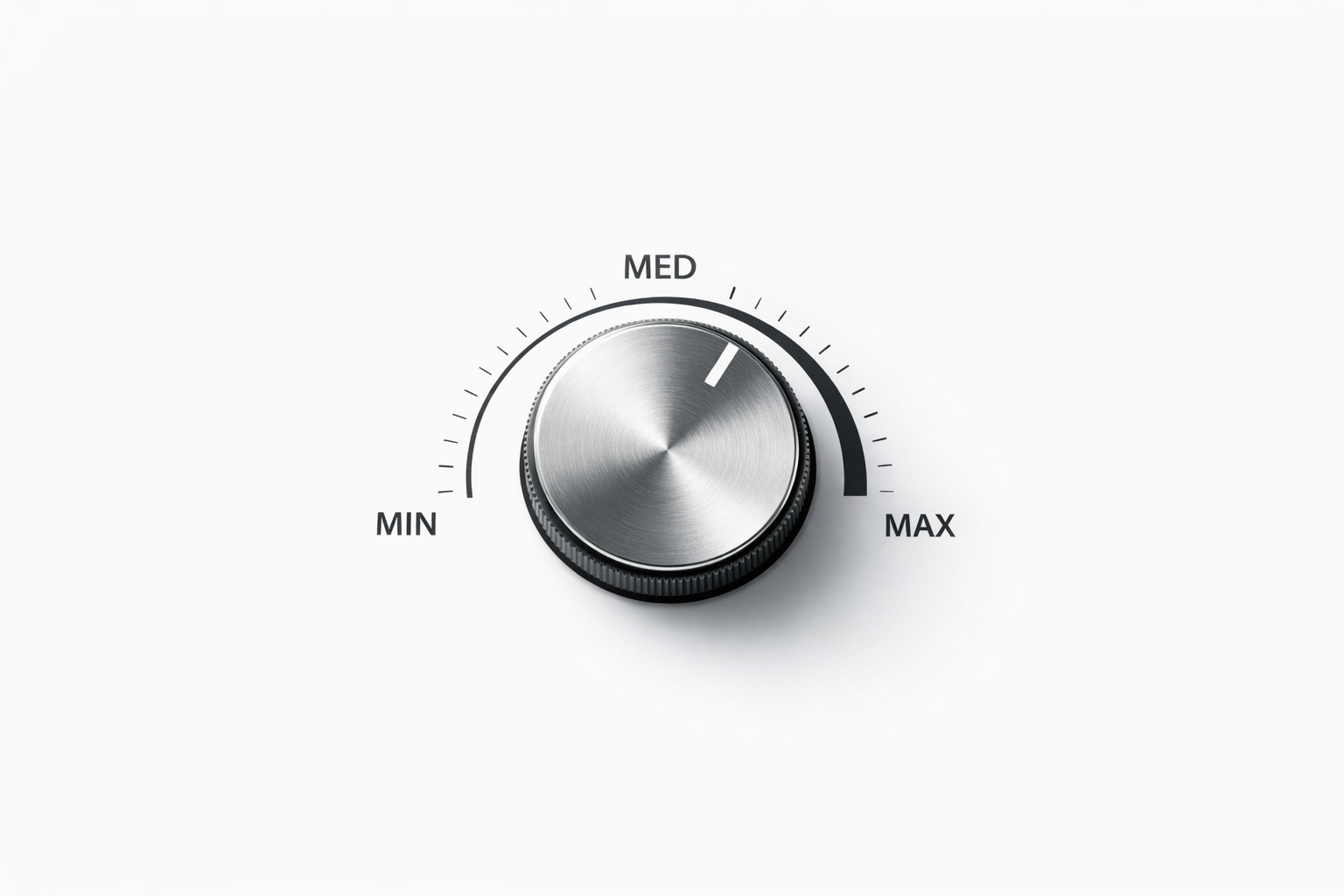
Because “retirement” doesn’t have to be a cliff edge. It can be a dial you gradually turn down — until work becomes optional.
The old model (and why it makes people miserable)
A lot of us grew up with an implied script:
-
Pick a career in your late teens (good luck),
-
Get a job,
-
Keep your head down,
-
Climb a ladder,
-
Do 40–50 hours a week until you’re “allowed” to stop.
That model did work for some people. It also trapped an awful lot of people in lives that felt like an endless swap: hours for wages, autonomy for security, year after year.
And it’s collapsing for reasons that have nothing to do with motivation posters:
-
Industries change faster than careers now,
-
Companies restructure as a hobby,
-
Skills age out,
-
And (as COVID reminded us) the “normal” way of working can change overnight.
If your mental picture of “work until 68” is based on the old script, no wonder it feels like a prison sentence.
The good news is: you don’t have to play it that way.
A better model: reduce compulsory work, increase options
Here’s the through-line I wish more people heard earlier:
Your goal isn’t “retire at 68”. Your goal is to build a life where you have choices.
That usually comes down to three things:
-
Make work less miserable now
-
Make income less dependent on one employer
-
Build an exit ramp so you can turn the dial down over time
Let’s unpack those.
1. Make your work less awful (you don’t need a “dream job”)
“Do what you love” is bad advice if it’s delivered as an instant fix. Most people can’t just pivot overnight — they’ve got rent, mortgages, kids, health, caring responsibilities, all the boring adult stuff.
But you can often change the trajectory by 5–10 degrees. And those small turns compound.
Start with a blunt question:
Is your dread about the work… or the way the work is organised?
Because those aren’t the same thing.
Sometimes you don’t hate the work. You hate the environment: the manager, the politics, the constant interruptions, the pointless meetings, the commute, the “bums on seats” culture.
If that’s you, the fastest win isn’t a complete career reinvention. It’s a change of context:
-
A different team or employer,
-
A different kind of role in the same field,
-
A remote or hybrid arrangement,
-
Four longer days instead of five,
-
Shifting hours so your life isn’t crushed into evenings and weekends.
People talk like the “working from home revolution” vanished. It didn’t. It just became uneven. Some companies swung back because they like control. Plenty didn’t — and plenty quietly make exceptions for people who ask well and have leverage.
Which brings us to…
2. Get leverage by learning something that pays (or frees you)
If you feel trapped, one of the cleanest ways out is to acquire a skill that gives you options.
Not because money is everything — but because money buys autonomy.
A lucrative skill can mean:
-
You earn more for the same time,
-
You work fewer hours for the same money,
-
You have bargaining power (including flexibility),
-
You can leave a bad situation sooner.
This doesn’t have to mean going back to university or turning into an AI wizard overnight.
It can be:
-
Moving from “doing” to “leading” (project management, product, people management),
-
Specialising inside your field,
-
Taking a sideways step into a niche people will pay extra for,
-
Building stronger communication skills (seriously — rare and valuable),
-
Learning tools that make you more effective than your peers.
Pick the version that you can realistically commit to for 30–60 minutes a day. Consistency beats heroic bursts.
3. Build a second income stream (yes, some are legit)
“Side hustle” is a phrase that makes half the internet roll its eyes — for good reason. There’s a whole industry dedicated to selling you the fantasy of “passive income” while extracting money from you.
But the concept is still solid:
One income stream is fragile. Two is resilient.
A second income stream can be boring and unsexy and still change your life.
It might be:
-
Tutoring,
-
Consulting a few hours a month,
-
Selling a simple digital product,
-
Building a tiny niche website,
-
Doing freelance work on weekends for a fixed goal (“£5k emergency fund”),
-
Monetising a hobby sensibly.
The aim isn’t to grind yourself into dust. The aim is to reduce the feeling that one employer controls your entire future.
4. Consider freelancing (if you want control, it’s the big lever)
I’m biased here – but I’m biased because it works.
For some people, the most direct route to “I can breathe” is to sell their skills directly rather than renting themselves out through an employer.
Freelancing isn’t for everyone. It comes with uncertainty, admin, and the need to find work.
But it also comes with things a lot of jobs quietly remove:
-
Autonomy,
-
Flexibility,
-
The ability to walk away,
-
The ability to shape your weeks,
-
And (eventually) the ability to taper.
And tapering is the part I think we need to discuss more.
The old model says you work full-time until you stop, and then you stop completely.
Freelancing lets you do something more human:
-
full-time → 4 days → 3 days → a few projects a year → only when you feel like it.
That’s not “retirement” in the traditional sense.
It’s work-optional living.
5. Don’t let the state pension be your only plan
I’m in the UK, so let’s be blunt: the state pension is a safety net, not a life plan.
If your entire retirement strategy is “hope the government sorts it out”, you’re outsourcing your future to politics.
A better approach is to use FIRE (“Financial Independence, Retire Early”) principles – not necessarily to retire at 35 and live on lentils, but to build options:
-
Spend less than you earn (even slightly),
-
Invest the gap consistently,
-
Increase earnings when you can,
-
Avoid lifestyle inflation where possible,
-
Build an emergency fund so you can say “no”.
The point isn’t perfection. The point is reducing the number of years you have to work in a way you hate.
6. A personal note: I’m 63 and I’m basically retired
I’m 63. I consider myself basically retired.
Not in the “never do anything again” sense. More in the “work is optional most of the time” sense.
I’ll take on the odd bit of freelance work to top up the coffers when it suits me. I don’t do it because I’m trapped. I do it because I choose to.
That, to me, is the real win.
It didn’t happen because I discovered a magical secret. It happened because, over time, I built skills people would pay for, took control of how I sold them, and treated my career as something I was responsible for designing.
So, to the thirty-year-old who felt crushed by the maths…
Your dread makes sense – if you assume the next 40 years must look like the last few.
But they don’t.
You can change the kind of work you do.
You can change where and how you do it.
You can add income streams.
You can build skills that increase your leverage.
You can move towards freelancing or consulting if that appeals.
You can invest so “retirement” becomes earlier, softer, and more flexible.
And most importantly:
You can stop thinking of retirement as a date someone hands you… and start treating it as a dial you gradually turn down.
That’s the shift.
Not “How do I survive until 68?”
But: “How do I build a life where I have choices long before then?”
Excellent read, some good advice here.